Call Us
  Mail Us
  We're open every day

Spring Cleaning Your Facility’s First-Aid Supplies
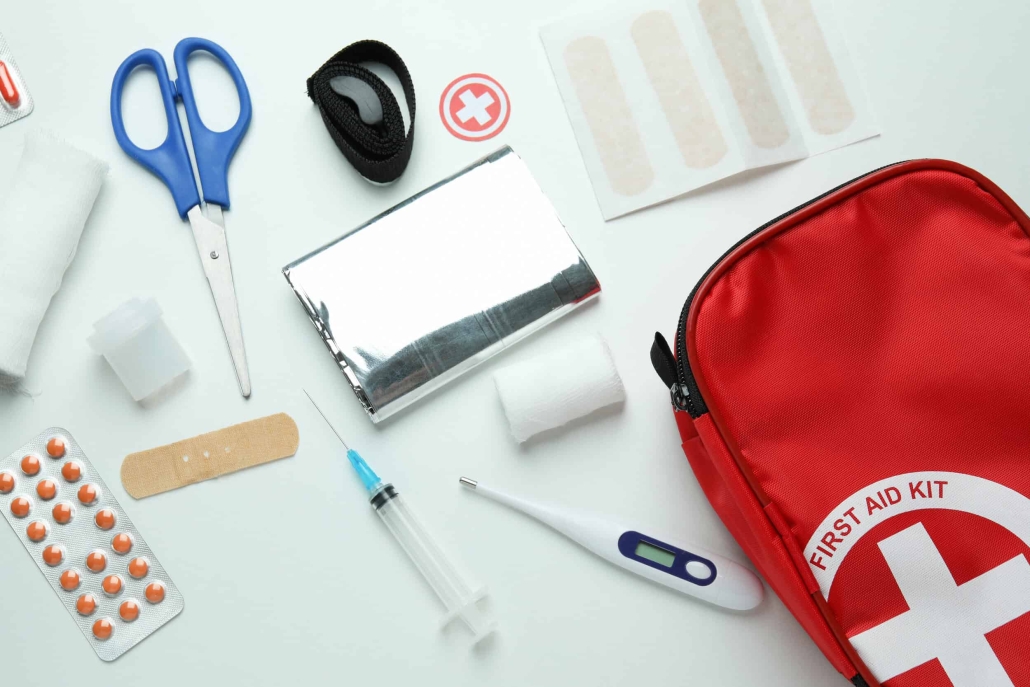
March feels like a fresh start in North Dakota. The snow starts melting, days get longer, and production picks back up. For managers, it’s that brief window between winter slowdown and spring’s busy season.
It’s also when first-aid supplies tend to fall through the cracks.
Nobody thinks about first-aid cabinets until someone actually needs one. And when that happens, discovering you’re out of bandages or that your burn gel expired months ago becomes a real problem.
That’s what makes March a good time to take stock. Before things get hectic, open those cabinets and make sure everything’s actually there and ready. Once the spring rush hits, you won’t want to be scrambling to figure out what’s missing.
Why First-Aid Supplies Drift Out of Compliance Over Time
Most facilities start the year with properly stocked first-aid kits. Over time, small changes add up. Bandages get used and never replaced. Burn cream expires. Gloves disappear. Eye wash bottles get pushed to the back of the cabinet.
None of this happens all at once. It happens gradually, which makes it easy to miss. According to the National Safety Council, inadequate or improperly maintained first-aid supplies are a common workplace safety gap that can compromise emergency response capabilities.
By the time spring arrives, many cabinets no longer reflect the actual needs of the workplace or the expectations set by OSHA guidance. OSHA’s regulations (29 CFR 1910.151) require employers to ensure that adequate first-aid supplies are readily available, but the agency notes that maintaining compliance requires regular inspection and restocking, not just initial setup.
March is the point where winter distractions fade and managers have the opportunity to take a clear look at what is really inside their cabinets.
Expiration Dates Are the Biggest Hidden Risk
Expiration dates create more compliance issues than missing supplies. Many first-aid items have a limited shelf life, especially antiseptics, burn treatments, eye wash, and medications.
Expired products:
- Lose effectiveness
- Can cause irritation or delayed healing
- Raise concerns during inspections
- Undermine employee confidence in safety programs
Tracking expiration dates manually is difficult, especially in facilities with multiple cabinets or high employee counts. Spring audits help catch expired items before they create risk during peak production months.
Spring Brings Increased Activity and Higher Exposure
As weather improves, industrial activity increases. Seasonal hiring ramps up. Equipment moves more frequently. Maintenance projects that were delayed during winter get scheduled.
With more activity comes greater injury exposure. Small cuts, scrapes, and minor burns become more common. First-aid supplies get used more often, which makes gaps more noticeable.
Auditing first-aid cabinets in March ensures they are ready before demand increases, not after.
What a Practical First-Aid Audit Should Include
A spring first-aid review does not need to be complicated, but it does need to be thorough. A basic audit should answer a few key questions.
- Are supplies appropriate for the type of work being performed?
- Are any items expired or close to expiring?
- Are commonly used items stocked in sufficient quantities?
- Are cabinets accessible and clearly labeled?
This review often reveals patterns. Some items are consistently overused. Others never get touched but still expire. These insights help facilities adjust what they stock instead of relying on a generic kit.
Why Manual Restocking Often Falls Short
Many facilities rely on internal teams to manage first-aid supplies. While that works in theory, it often breaks down in practice.
Manual restocking requires someone to:
- Check cabinets regularly
- Track expiration dates
- Order replacement supplies
- Ensure kits stay consistent across locations
When workloads increase, first-aid maintenance gets deprioritized. Supplies are replaced reactively instead of proactively. By summer, cabinets may no longer meet expectations.
This is where managed service becomes valuable.
How Managed Service Simplifies First-Aid Readiness
A managed first-aid program shifts responsibility away from busy facility staff. Cabinets are checked on a schedule. Expired or depleted items are replaced automatically. Supply levels adjust based on usage instead of guesswork.
For facilities using workplace first aid kits in North Dakota, managed service provides consistency without increasing administrative work. Cabinets stay ready without requiring managers to monitor them week after week.
The result is fewer surprises during inspections and better preparedness during everyday incidents.
Spring Is the Right Time to Set the Standard
March is not just about cleaning. It is about setting expectations for the rest of the year. Facilities that address first-aid readiness early avoid scrambling later when operations are at full speed.
A spring reset establishes:
- Clear supply standards
- Reliable restocking routines
- Confidence that cabinets will be ready when needed
This proactive approach supports both compliance and employee safety throughout the year.
Keeping Safety Ready Before Workload Increases
If your facility wants help maintaining workplace first aid kits in North Dakota without tracking expiration dates or supply levels internally, contact Dakota Commercial Rugs and Uniform Services at 701 483 7847.
Our team can help you set up a managed first-aid program that keeps cabinets stocked, current, and ready year-round.